Why the best brand work happens when you cut out the noise and work directly with founders
George partners with founders, CEOs and CMOs to create and refresh innovative brands. From pre-seed to late-stage, we're the partner for company leaders who believe brand is critical to drive business forward.
MK: Tell me about George and the kind of work you focus on, and what brought you to start the studio?
Dave: Andrew and I spent many years working at boutique ad agencies like Anomaly, Mother, and Host. We did a ton of campaign work that we're super proud of, but as our journeys continued, we realized we could have more impact by working with business leaders to shape and create brands at pivotal moments, like the very beginning of a business idea or when a company is growing and achieving scale. Companies are at their best when the brand is totally in sync with the core business. All the brands we're jealous of have that in common.
Andrew: After years working on the creative agency side, from designer to head of design, I realized I needed to either be on the brand side or inside a brand to do the sort of identity creation work I wanted to do. My agency experience was career-defining and life-changing, but ultimately left me feeling at arm's length from actual brand work—or at least what I consider actual brand work, i.e. brand strategy, naming, identity systems, product, packaging, etc. in 2019 and 2020, a mix of experiences working inhouse and directly with brands led to reconnecting with Dave and starting George.
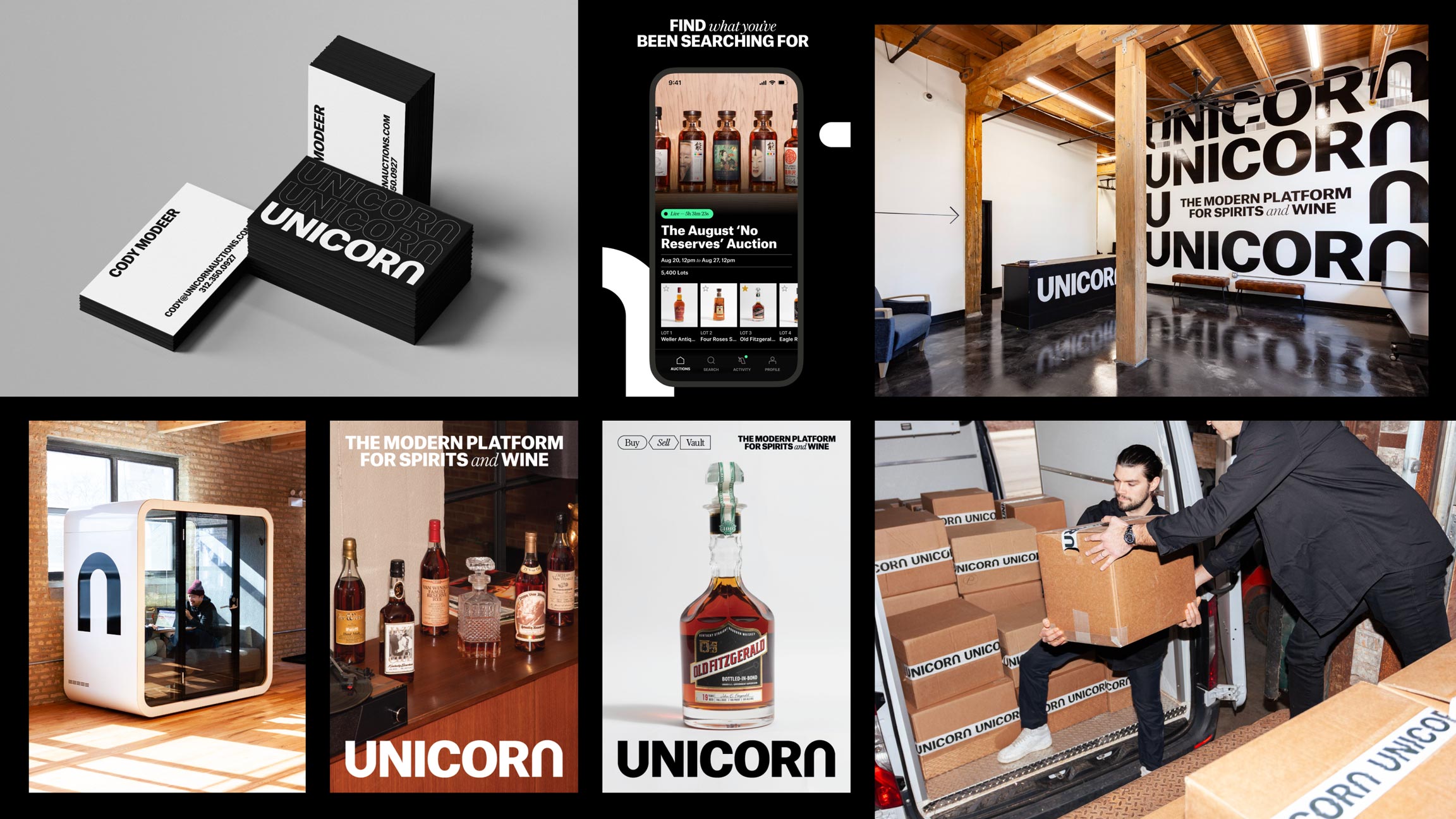
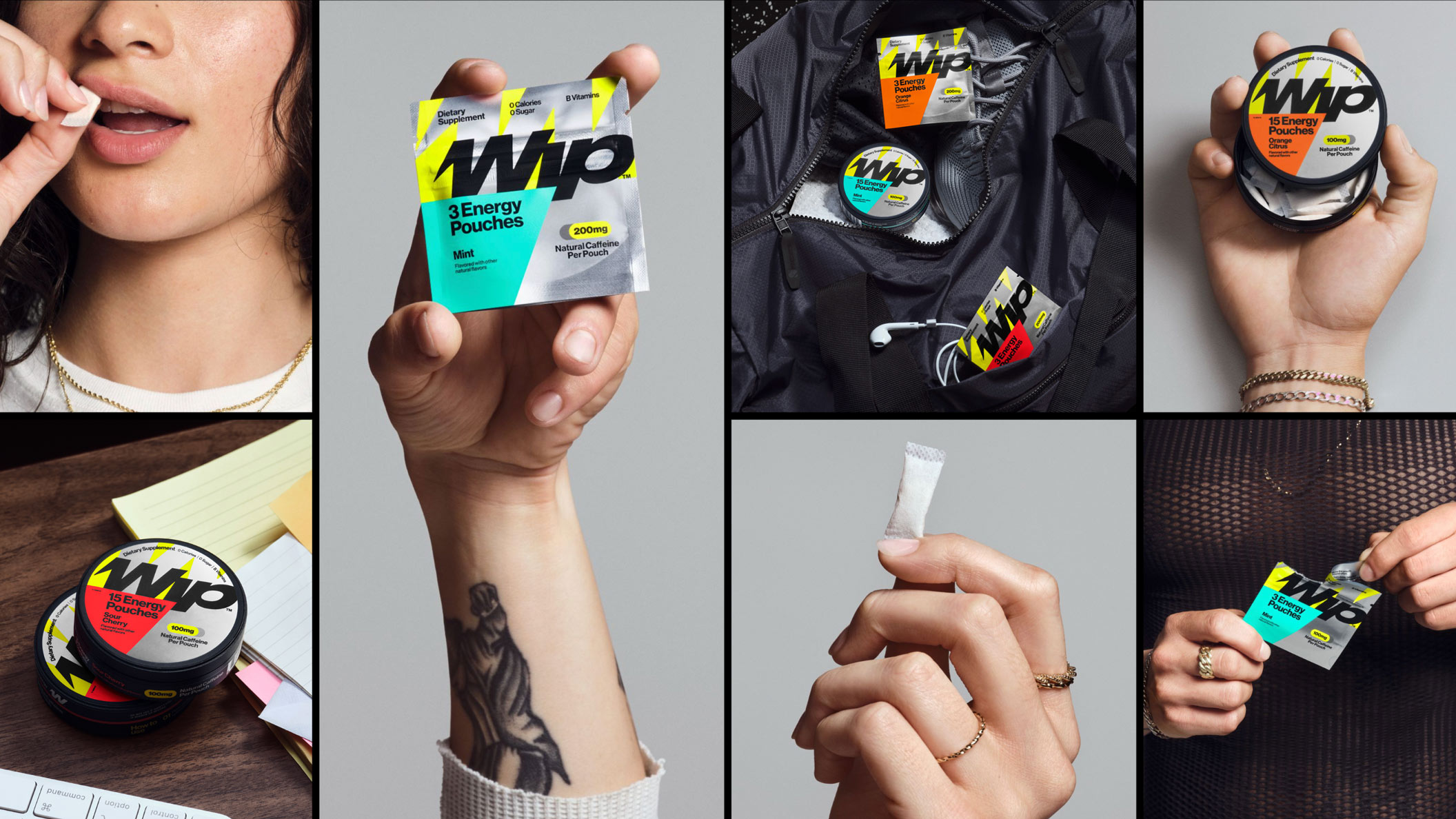
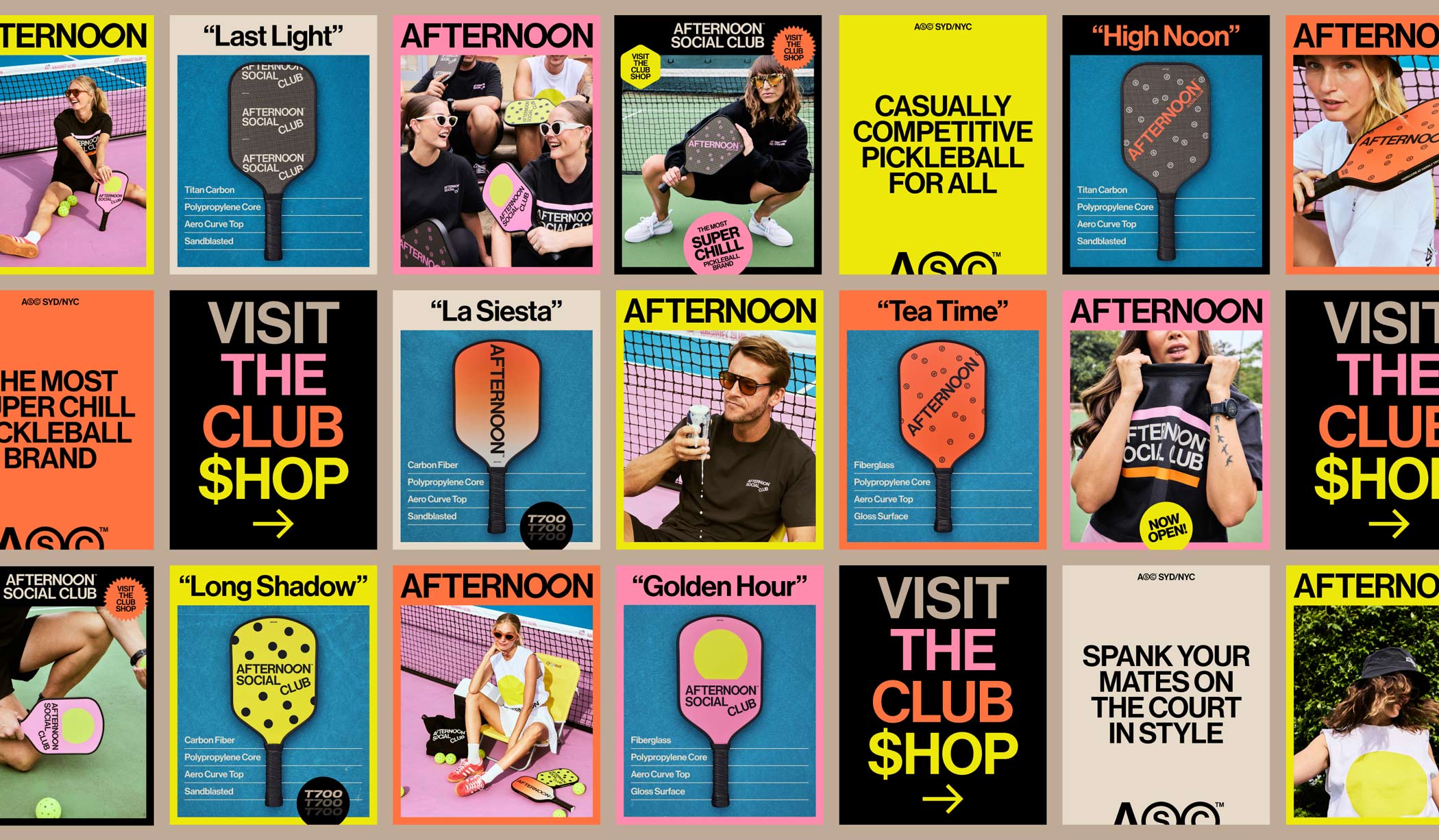
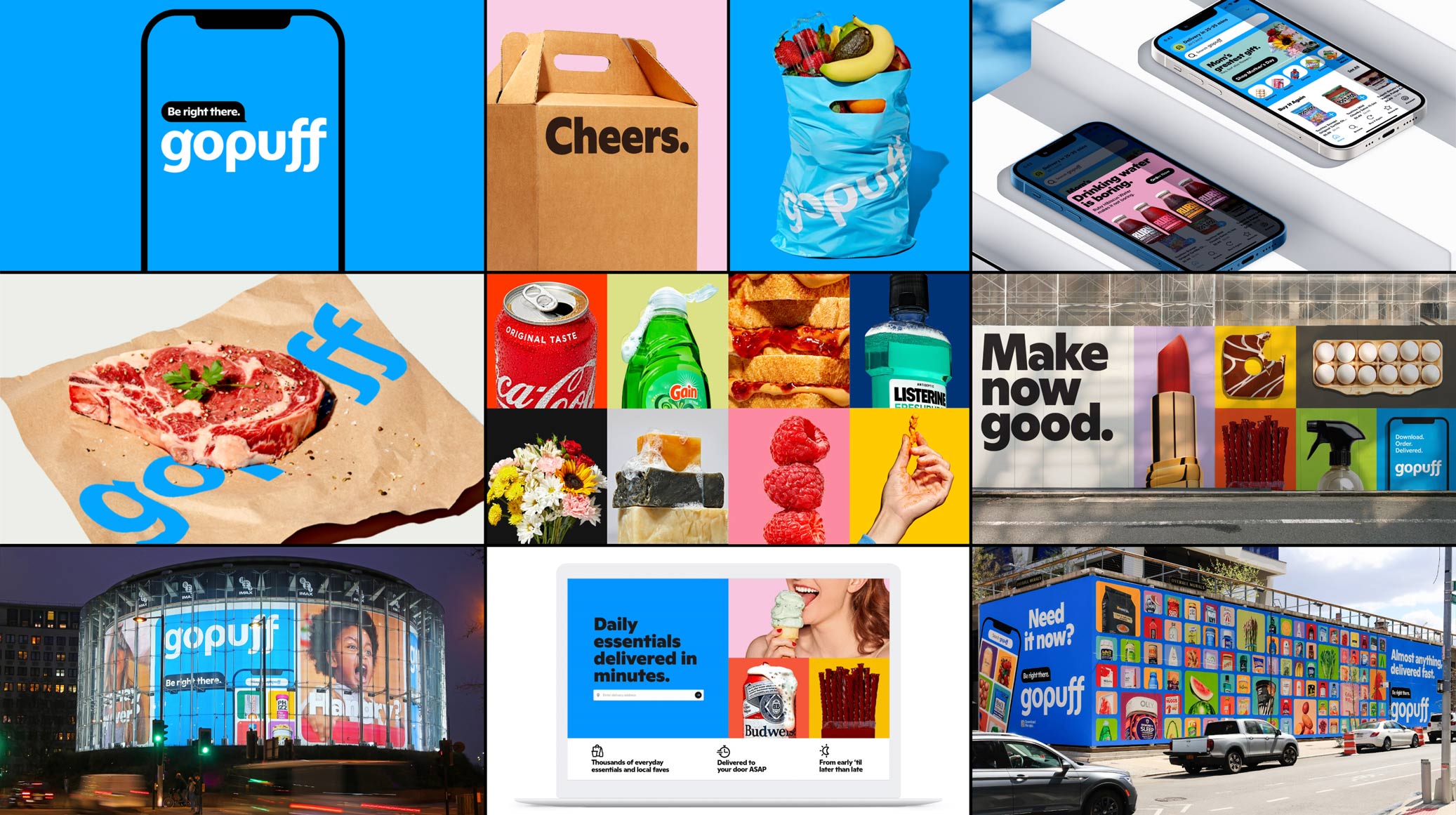
Since then, we've focused on creating brands from scratch or refreshing more mature brands, typically ones that are rooted in some kind of innovation across food, CPG, health and tech. We work directly with founders and/or company leadership as true partners who really 'get' their goals and business objectives; we don't just design and write identity systems. In some instances we've earned equity in our client partner's companies, in other instances we come to function as their internal brand CDs, building 'bridge' teams to execute the launch/refresh work and helping to recruit the full-time creatives that's replace us.
MK: You've found that the most impactful brand work happens when you're working directly with leadership. Why is that the case?
Dave: When you work directly with leadership, you cut out the noise. No one is guessing what the founder actually meant, or translating it through three different teams. The real brand work happens early, when you make the big decisions that ripple across everything over time. If you don't get the business and the brand in sync from the start, you end up with a brand that looks fine but doesn't actually work well.
Andrew: More often than not, leadership—typically founders or seasoned CEOs—are the driving force for the work being done. It's either their brand, or one they've been given the keys to, so working directly with them, without intermediaries, puts us in the best position to create something that fulfills their strategic brief and also get at what's in their hearts, minds, hopes n dreams. Ultimately, they just want partners they trust.
As the George partner responsible for design, it's even more important to have that direct line to leadership. It streamlines the creative/review process and fosters a dynamic of healthy dialogue in and around presentations, which we try to position more like working sessions. For the companies we've assumed inhouse CD roles, that relationship with leadership becomes even closer and key to success. By being inside their business, we provide more value as partners, experiencing their day-to-day, upleveling craft, managing creative talent (or recruiting it) and just generally making the process feel easier because we're in it.
MK: Your studio takes equity stakes in companies from pre-seed through Series A, betting that brand value compounds over time. Why is long-term partnership better than campaign-based work?
Dave: When we take equity, we're held accountable for the business in a different way than a campaign relationship. We're invested emotionally, because the company's success is our success, and vice-versa. That changes how we show up and how we go about solving problems and creating electricity for the company.
We also answer the call, literally. Every time a founder calls, no matter how long it's been since the last conversation, we answer. And those conversations—because we've come to understand the ins, outs, and complexity of our founder friends' situations—mean we're a sounding board, a strategic business partner in key moments. On topics like fundraising, team design, key hires. Conversations far outside of creative work.
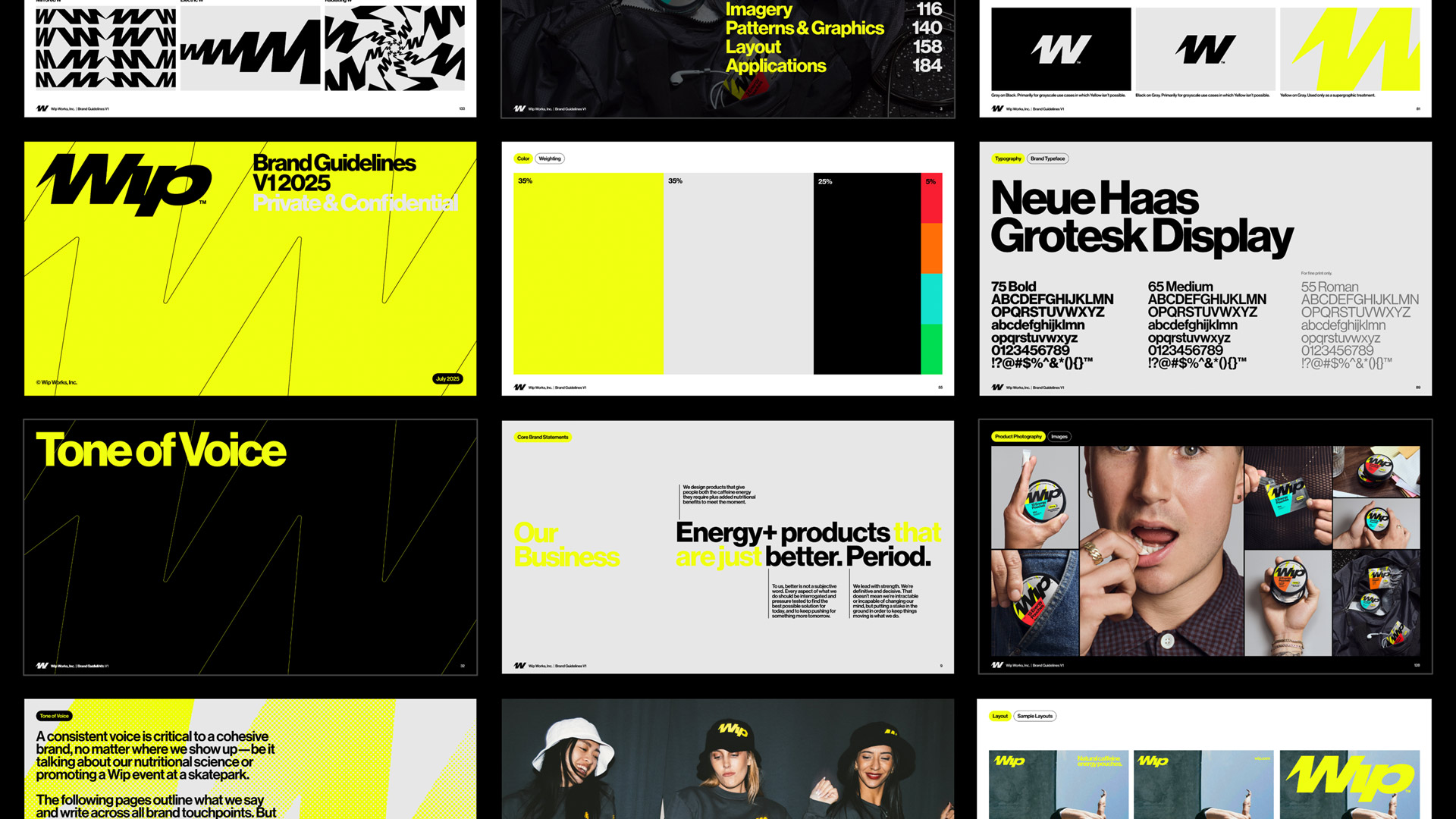
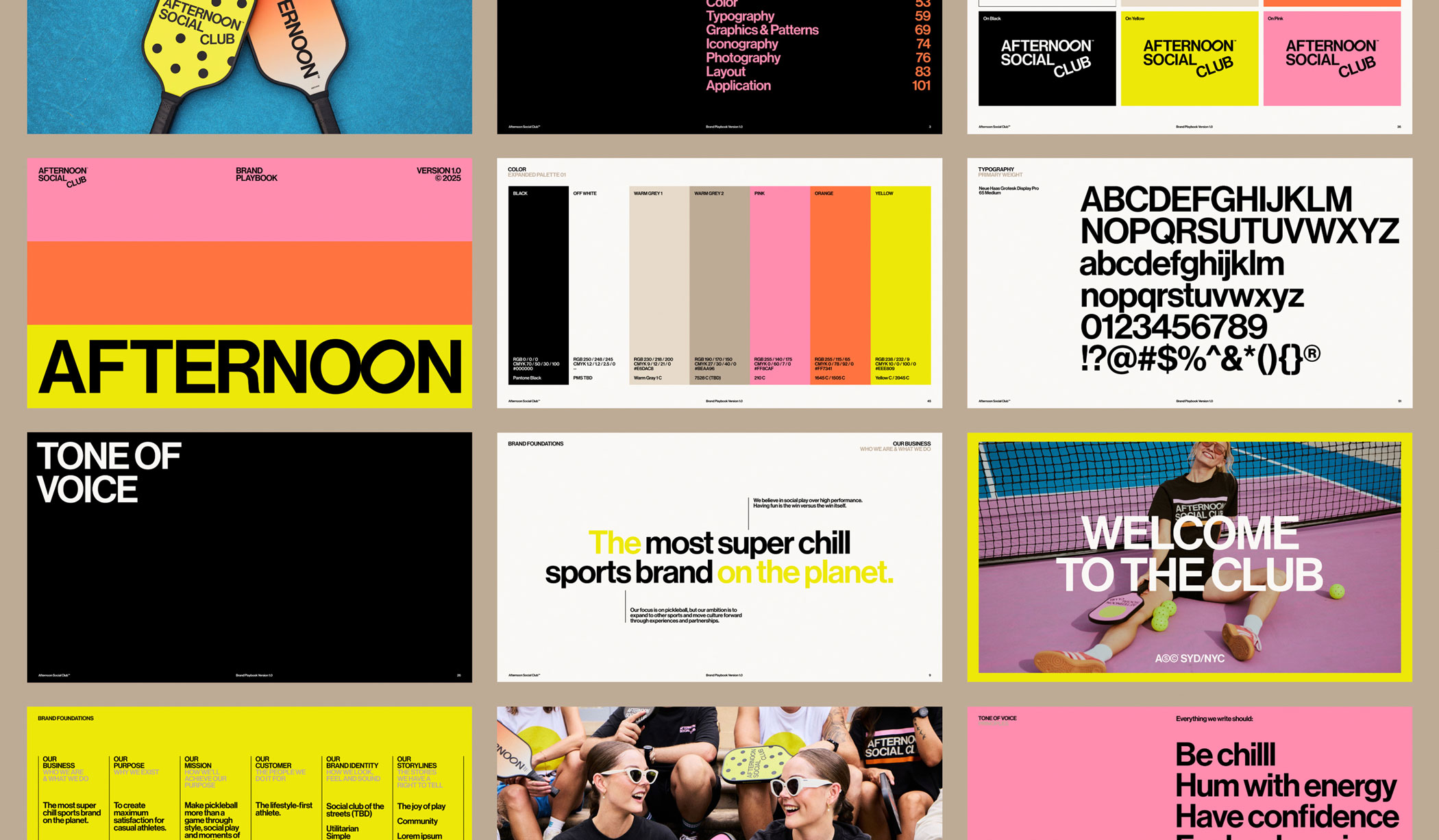
Andrew: Campaign-based work isn't really what George does. Everything we create is for the long term, whether we have equity in the brand we're building or not. For us, and most of our client partners, there's a belief that brand is critical for cultivating an enduring business. So there's an understanding (or in some instances more a sudden realization 😅) that creating a brand takes time, because we're not just designing a logo and core assets, we're building a scalable system that encompasses brand foundations, tone of voice, visual identity, applications, guidelines, sometimes playbooks for marketing and content production.
MK: What are the core questions every brand needs to answer to grow profitably?
Dave: Brand strategy can be a soup of missions, purposes, visions, and so on. Houses, pyramids. One person's values are another person's operating principles. And we're not immune to that thinking. We just want the foundational language for a brand to be actionable, memorable, and repeatable.
In other words, every business needs to answer: WHAT business are we in, WHY are we doing this, and HOW can everyone who is part of this do something every day to move things forward. It's wild how often even founders don't describe their company in the same way.
Clear, simple language lets the people who work there know what to do, and lets people outside the business, like investors and customers, understand the path to success, what they're buying into.
MK: Matching up brand strategy and business strategy can be a tricky balance, how do you ensure the two stay aligned?
Dave: We believe in systems. AG is a systems designer, the best kind of design, IMHO. Systems work over time and across business functions. They are meant to evolve and change. Fewer stops and restarts. Less disruptive and wa$teful. So we build brand systems that can activate the business across product, marketing, and experience. That way brand and business stay aligned as the company grows.
Andrew: Dave is correct. Systems design rules! The George process itself is designed to fuse brand and business strategy, starting with a brand foundations phase that seeks to clearly define things like, what is the business? Why do we exist? Who is the consumer? And we encourage companies to use the same foundations for both brand creation and business objectives.
I also think everything we've already noted around direct partnership with company leaders is key to brand and business strategy staying aligned. It's a lot easier to merge strategies when your client perceives you as a trusted partner on both fronts, not just as creatives. We pride ourselves on being the kind of creative people who are genuinely interested in—and versed in—the business realities, complexities, objectives. This is where Dave especially shines for George.
MK: We're in the era of smaller, indie studios and agencies, often run by friends or folks who have worked together previously. What is your favorite thing about working with each other?
Dave: I love working with AG because he's so different from me, yet our skills complement each other perfectly. We have this shorthand, almost an ESP, where we trust and understand what the other is thinking and making. We genuinely like the same things and share high standards, which makes working together effective and super fun.
Andrew: Can I just say 'ditto'?? What stands out for me is that Dave and I have come out of relatively different agency journeys with a similar POV on the cult of agencies and work-life balance. We're both adamant about George being a model for work that fuels our lives versus work being our lives. So in addition to being complementary creatively, there's this underlying shared mindset for how we work, when we work, and what we work on.